
How to pay in China as a foreigner
In China, almost everything is paid for with your phone. Here's how to set up Alipay and WeChat with your card from any country, step by step.
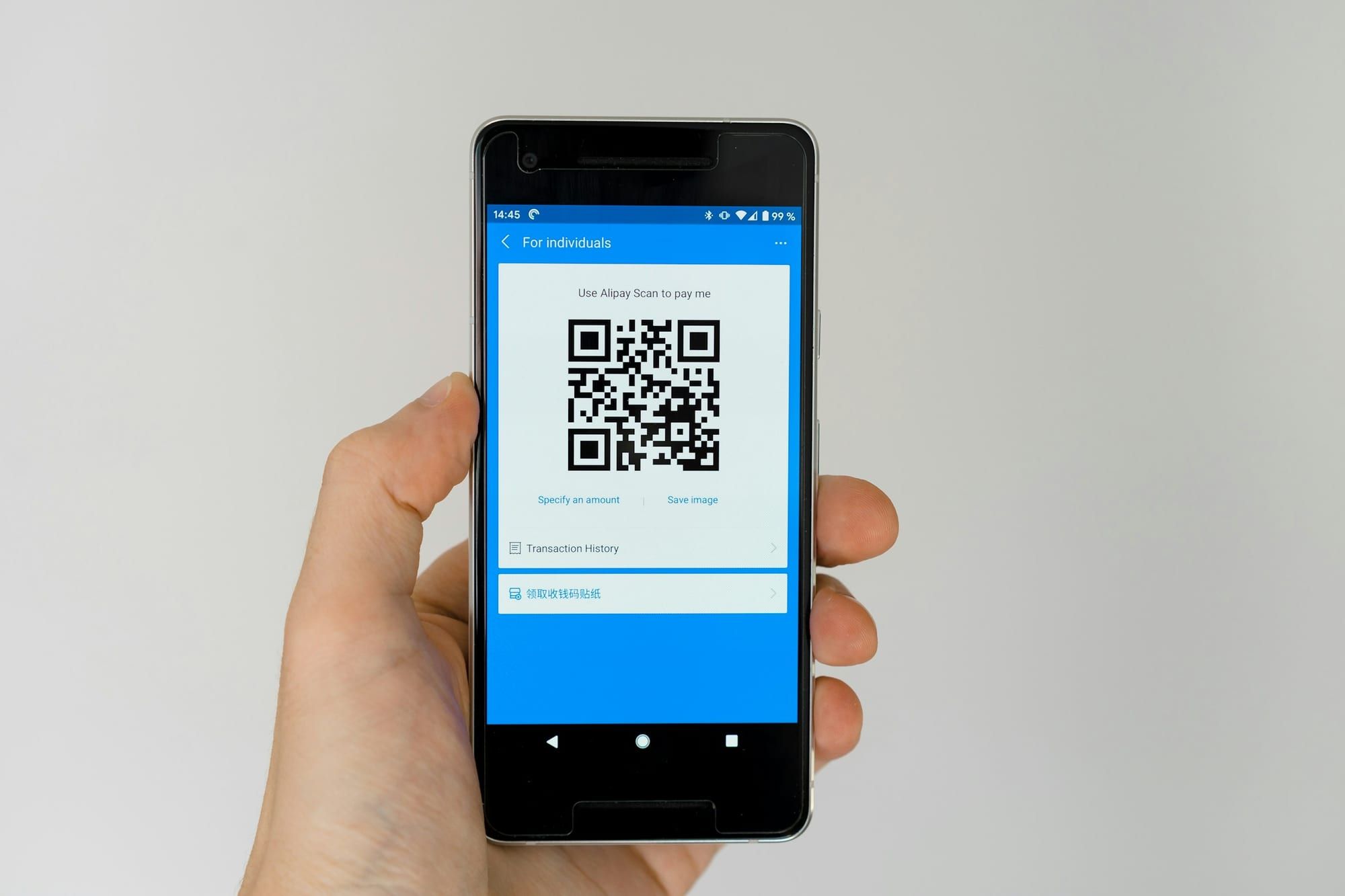
In China, almost nobody pulls out a wallet. At the corner store, on the subway, at a street food stall: everyone pays by scanning a QR code with their phone. If you arrive with only cash or a physical card, you’ll be able to pay in a lot of places, but you’ll also run into plenty where the normal way to pay is the QR code.
The good news: for a few years now, Alipay and WeChat Pay have accepted Visa and Mastercard cards from other countries. With 15 minutes of prep before your trip, you can pay just like anyone else in China.
The two apps you need
- Alipay (支付宝) is the easiest one to start with. The app has an English version, you sign up with your phone number from home, and it lets you link your card.
- WeChat (微信) is the messaging app all of China uses. Besides chatting with hotels, guides, or suppliers, it has its own wallet: WeChat Pay.
With either one, you can already pay almost anywhere. Ideally, get both, because some small shops only have a code for one of them.
Step by step: getting Alipay ready
- Download Alipay before you travel, from your phone’s app store. Do it at home, on your usual internet connection.
- Sign up with your phone number. You’ll get a code by text message, so your line needs to be active.
- Add your card, debit or credit, in the Bank cards section.
- Verify your identity when the app asks you to: it’s usually a photo of your passport. Take your time and do it before the trip, not in the checkout line.
- Let your bank know you’ll be in China, so it doesn’t block your charges as “unusual activity.”
In WeChat, the process is similar: you create your account, go to the payments section, and link your card.
How paying works in practice
There are two ways, and you’ll use both:
- You scan the shop’s code. At small stalls, there’s a QR code stuck on the wall or the counter. You scan it, type in the amount in yuan, and confirm. The seller sees your payment on their phone.
- The shop scans your code. At supermarkets, chain stores, and convenience stores, you open your payment code in the app and the cashier reads it with a scanner.
For the subway and buses in many cities, Alipay has a transit option that generates a code to get you through the turnstile.
Fees and limits
Paying with a foreign card can come with a fee on bigger purchases. Small everyday purchases usually don’t have one. The rules change from time to time, so check in the app how much you’ll be charged before you confirm a big payment, and also check what your bank charges for purchases in another currency.
Bring a little cash
Even though your phone handles almost everything, it’s a good idea to carry some yuan in cash for emergencies: if your battery dies, if the app asks for a verification at a bad moment, or if you end up somewhere with no signal. You can exchange money at the airport or take some out of an ATM with your card.
If you’re going for business
For paying suppliers, order deposits, or big services, Alipay and WeChat aren’t the right tool. For that, people use bank transfers and contracts. If you’re just starting to import, check out our services in China: supplier sourcing, merchandise inspection, and purchase agreements.
Quick summary
- Download Alipay and WeChat before you leave home.
- Link your card and verify your identity without rushing.
- Tell your bank you’re traveling.
- Bring a little cash, just in case.
Next step? Check out the apps you need before traveling to China.